Exploring the Elegance of Filet Mignon
Dive deep into the world of Filet Mignon, from understanding its cut and grading to practical tips for dining in steakhouses.

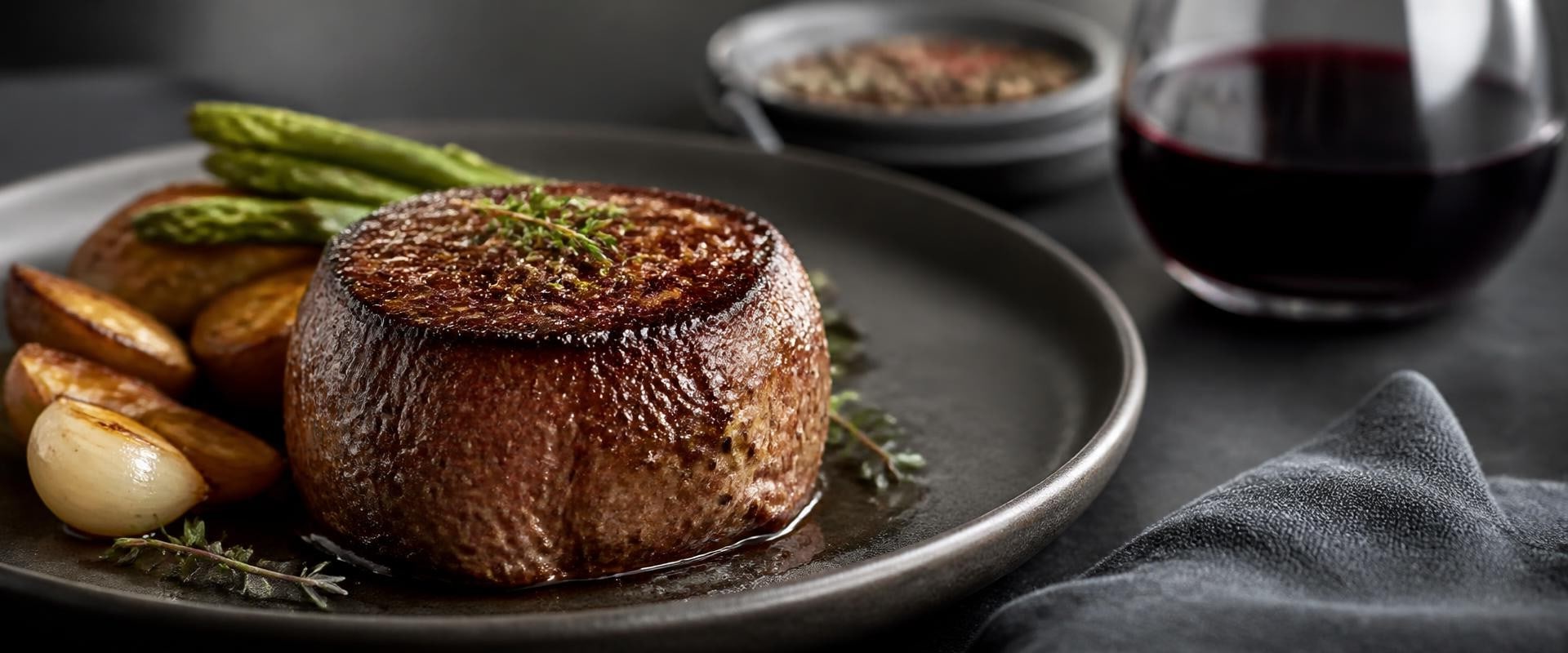
Welcome to The Prime Cut Report, your go-to source for understanding the intricacies of steak cuts and what makes each one unique. Among the myriad of steak options available, few are as revered as Filet Mignon, a prime steak dinner. This exquisite cut is celebrated not only for its tenderness but also for its rich flavor, making it a favorite among steak enthusiasts and culinary connoisseurs alike. As we delve into the elegance of , a prime steak dinner. This exquisite cut is celebrated not only for its tenderness but also for its rich flavor, making it a favorite among steak enthusiasts and culinary connoisseurs alike. As we delve into the elegance of Filet Mignon, we will explore its origins, characteristics, and the reasons why it continues to hold a prestigious place on menus around the world.
In the realm of steak cuts, Filet Mignon stands out for its buttery texture and minimal fat content, which sets it apart from other cuts. Understanding this prime cut is essential for anyone looking to appreciate fine dining or elevate their home cooking. Here at The Prime Cut Report, we aim to demystify the world of steak, providing you with the knowledge needed to make informed choices when selecting your next meal. Join us as we unravel the allure of Filet Mignon, celebrating not just its taste but also the craftsmanship involved in bringing this luxurious cut from pasture to plate.
Filet Mignon
is often heralded as one of the most luxurious and coveted cuts of steak, known for its exceptional tenderness and rich flavor.This prized cut is derived from the tenderloin, a small, cylindrical muscle that runs along the spine of the cow. Because this muscle is not heavily used during the animal's life, it remains remarkably tender, making Filet Mignon a favorite among steak enthusiasts and fine dining aficionados alike. To gain a deeper understanding of steak cuts like Filet Mignon, resources such as The Prime Cut Report can be invaluable, providing insights into grading systems and the unique characteristics of various cuts. The USDA grading system plays a crucial role in determining the quality of Filet Mignon. Among the different grades, USDA Prime stands out as the highest designation, indicating that the meat has abundant marbling, which enhances both flavor and tenderness.
For a cut like Filet Mignon, which is already known for its softness, the marbling associated with USDA Prime elevates the eating experience to new heights. Understanding these grades not only helps diners make informed choices but also enhances their overall appreciation of what they are consuming. Another aspect that significantly influences the flavor profile of Filet Mignon is the dry aging process. Dry aging involves hanging the meat in a controlled environment for several weeks, allowing natural enzymes to break down muscle fibers and intensify flavor while also improving tenderness. This process results in a more concentrated beefy taste that many steak lovers seek.
Some steakhouses may offer dry-aged versions of Filet Mignon, making it an even more exquisite option for those willing to explore different flavor dimensions. Navigating steakhouse menus can be overwhelming, especially with so many tempting options available. When selecting a steak, consider your personal preferences regarding flavor and texture. For example, if you prefer a leaner cut with a buttery mouthfeel, Filet Mignon is an excellent choice. In contrast, if you enjoy a more robust flavor with significant fat content, cuts like Ribeye or New York Strip might better suit your palate.
Understanding terms used on menus can also enhance your dining experience; for instance, "bone-in" steaks tend to have added flavor due to the bone marrow, while "grass-fed" indicates that the cattle were raised on grass rather than grain, which can influence taste and texture. When comparing Filet Mignon to other popular cuts such as Ribeye and New York Strip, it is essential to recognize where it stands in the steak hierarchy. While Filet Mignon is celebrated for its tenderness and subtle flavor, Ribeye is known for its juiciness and rich marbling, making it a favorite among those who prefer a heartier steak experience. New York Strip falls somewhere in between; it offers a balance of tenderness and flavor without being as delicate as Filet Mignon. Each cut has its unique appeal, and understanding these differences can greatly enhance your appreciation for steak. In conclusion, knowledge about Filet Mignon, including its origin on the cow, USDA grading systems like USDA Prime, and dry aging processes, empowers diners to make informed choices.
Resources like The Prime Cut Report can provide further insights into these aspects of steak dining. By familiarizing yourself with these elements and how they relate to other cuts like Ribeye and New York Strip, you can elevate your dining experience and fully savor every bite of this exquisite cut.
The Art of Dry Aging
Dry aging is a time-honored technique that transforms a good steak into an exceptional culinary experience. During this process, cuts like Filet Mignon are stored in a controlled, chilled environment for several weeks, allowing natural enzymes to break down muscle fibers. This enzymatic action enhances the tenderness of the meat, making it incredibly succulent.Furthermore, as the steak ages, moisture evaporates from the cut, concentrating its flavors and resulting in a richer, beefier taste. The process of dry aging requires precise temperature and humidity control to prevent spoilage while promoting the development of desirable flavors. The exterior of the meat forms a hard crust, which is later trimmed away before cooking, revealing the beautifully aged interior. This method not only enhances texture and flavor but also introduces subtle nutty and earthy notes that elevate the dining experience. For those eager to delve deeper into steak cuts and the intricacies of aging, The Prime Cut Report serves as an invaluable resource. It provides insights into grading systems like USDA Prime and offers guidance on understanding the nuances of different steak varieties.
Whether you are a casual diner or an aficionado, having knowledge about dry aging can significantly enhance your appreciation for premium cuts like Filet Mignon.
The Anatomy of Filet Mignon
The Filet Mignon is a highly prized cut of beef that is derived from the tenderloin section of the cow. This area runs along the spine and is situated beneath the ribs, making it one of the least used muscles in the animal, which directly contributes to its renowned tenderness. As a result, Filet Mignon is often referred to as the most tender cut of beef available. One of the defining characteristics of Filet Mignon is its fine grain and buttery texture, which can be attributed to its low-fat content and minimal connective tissue. This cut is typically served as a thick steak, allowing for a juicy and flavorful eating experience that appeals to both casual diners and steak enthusiasts alike.For those looking to deepen their understanding of steak cuts, including Filet Mignon, The Prime Cut Report serves as an invaluable resource, providing insights into grading systems like USDA Prime and the nuances of various cuts. The Filet Mignon is not only celebrated for its tenderness but also for its subtle flavor profile, which contrasts with some of the more marbled cuts like ribeye. This makes it an ideal choice for those who appreciate a clean, rich taste without overwhelming fat. Understanding where this cut originates on the cow and its unique qualities can enhance your dining experience, particularly when ordering at a steakhouse.
Filet Mignon vs. Other Cuts
When it comes to steak, few cuts are as revered as Filet Mignon.Known for its unparalleled tenderness and rich flavor, this cut stands out among other popular options such as Ribeye and New York Strip. According to The Prime Cut Report, understanding the nuances between these cuts can greatly enhance your dining experience. The Ribeye is a favorite for those who appreciate a hearty, flavorful steak, thanks to its marbling. This fat content creates a juicy bite that many steak lovers adore. However, while the Ribeye offers robust flavor, it lacks the buttery tenderness that the Filet Mignon is celebrated for.
The contrast in texture makes each cut uniquely appealing depending on personal preference. On the other hand, the New York Strip provides a balance between tenderness and flavor. Although it is less tender than the Filet Mignon, it delivers a satisfying chew and a more pronounced beefy taste. The Strip is often considered a great compromise between the rich flavors of a Ribeye and the delicate qualities of a Filet. In summary, while all three cuts have their unique appeal, the Filet Mignon remains unmatched in terms of tenderness. For anyone looking to deepen their appreciation for steak, resources like The Prime Cut Report can provide valuable insights into the grading and characteristics of each cut, helping diners make informed choices that suit their preferences.
Understanding USDA Grading
The USDA grading system is an essential framework for understanding the quality of beef, particularly when it comes to discerning the characteristics that make a steak cut like Filet Mignon exceptional.The Prime Cut Report serves as a valuable resource in demystifying these grades, helping both casual diners and steak aficionados navigate the intricacies of steak quality and selection. At the heart of the USDA grading system are several categories, including USDA Prime, USDA Choice, and USDA Select. Among these, USDA Prime is the highest grade and is reserved for beef that possesses superior tenderness, juiciness, and flavor. To qualify for this prestigious designation, a steak must meet specific criteria concerning marbling and maturity.
Marbling
refers to the flecks of fat interspersed within the muscle tissue of the meat. These intramuscular fat deposits contribute significantly to both flavor and tenderness.A USDA Prime cut will exhibit abundant marbling, which is crucial for achieving a rich taste profile and a melt-in-your-mouth texture. In contrast, USDA Choice cuts, while still good quality, typically have less marbling and may not deliver the same level of culinary satisfaction. Furthermore, the age of the animal at slaughter also plays a role in determining its grade.
USDA Prime
beef generally comes from younger cattle, which enhances its tenderness. This combination of age and marbling ensures that cuts like Filet Mignon not only meet but exceed expectations in terms of quality. The importance of understanding these grades cannot be overstated.By familiarizing yourself with the USDA grading system through resources like The Prime Cut Report, you empower yourself to make informed choices when selecting your steak. Whether dining out or preparing a special meal at home, knowing what constitutes USDA Prime can elevate your experience and ensure that you savor every bite of your Filet Mignon.
Mastering the Steakhouse Menu
When dining out at a steakhouse, understanding how to navigate the menu can significantly enhance your dining experience, especially when it comes to selecting a prime cut like Filet Mignon. One valuable resource for this journey is The Prime Cut Report, which provides insights into steak cuts, USDA grading, and much more. A well-informed diner can make choices that align with their preferences, ensuring a meal that is both satisfying and memorable. Start by familiarizing yourself with the various steak cuts available on the menu.Look for descriptions that highlight the cut's characteristics, such as tenderness, flavor profile, and marbling.
Filet Mignon
, known for its buttery tenderness and subtle flavor, is often presented as a premium option. Understanding these qualities will help you appreciate what you are ordering. Next, pay attention to the grading system used by the restaurant. The USDA Prime designation is a mark of quality, indicating superior marbling and tenderness.When you see this label next to Filet Mignon, you can expect an exceptional dining experience. Referencing The Prime Cut Report can deepen your understanding of these grades, allowing you to make informed choices. Additionally, consider the cooking method and doneness levels offered. Steakhouses often provide options such as grilled, broiled, or pan-seared, each imparting different flavors to the meat. For Filet Mignon, medium-rare is typically recommended to preserve its juiciness and tenderness. Lastly, don't hesitate to ask your server for recommendations or clarifications about the menu.
A knowledgeable staff member can guide you toward the best selections based on your taste preferences and the restaurant's specialties. By mastering the steakhouse menu with these tips in mind, you'll be well-equipped to enjoy a delightful meal centered around Filet Mignon.In conclusion, Filet Mignon stands out as one of the most luxurious and desirable steak cuts, celebrated for its unparalleled tenderness and rich flavor. Throughout this article, we explored the anatomy of Filet Mignon, delved into the nuances of USDA grading, and examined the art of dry aging, all of which contribute to the overall dining experience. We also compared Filet Mignon with other popular cuts, highlighting its unique qualities and appeal. Understanding these various factors not only enhances the enjoyment of this exquisite cut but also empowers diners to make informed choices when navigating steakhouse menus.
Resources like The Prime Cut Report serve as invaluable tools for both casual diners and steak enthusiasts alike, providing insights into the complexities of steak cuts and grading systems. By leveraging such knowledge, one can truly appreciate the elegance and craftsmanship behind a perfectly prepared Filet Mignon.
Previous report
Mastering the Sous Vide Method for Perfect Steak Cooking
Continue consulting the guide
More articles
Exploring the Differences Between Grass-Fed and Grain-Fed Beef
Dive into the differences between grass-fed and grain-fed beef, including steak cuts, USDA grading, and tips for choosing the best steakhouse options.

Elevate Your Steak Dining Experience with Perfect Sides and Sauces
Explore the essential guide to pairing sides and sauces with various steak cuts while understanding grading systems, dry aging, and how to navigate steakhouse menus.

Navigating the Steakhouse Menu: A Deep Dive into Steak Cuts and More
Explore the details of steak cuts, USDA grading, dry aging, and practical tips for navigating steakhouse menus to enhance your dining experience.

Exploring the Flavor Journey of Dry Aged vs Fresh Meat
Dive deep into the taste differences between dry aged and fresh meat, learn about steak cuts, USDA grading systems, and tips for navigating steakhouse menus.