Understanding Meat Color and Texture: Key Elements for Steak Lovers
Explore the nuances of meat color and texture, USDA grading systems, dry aging processes, and tips for navigating steakhouse menus.

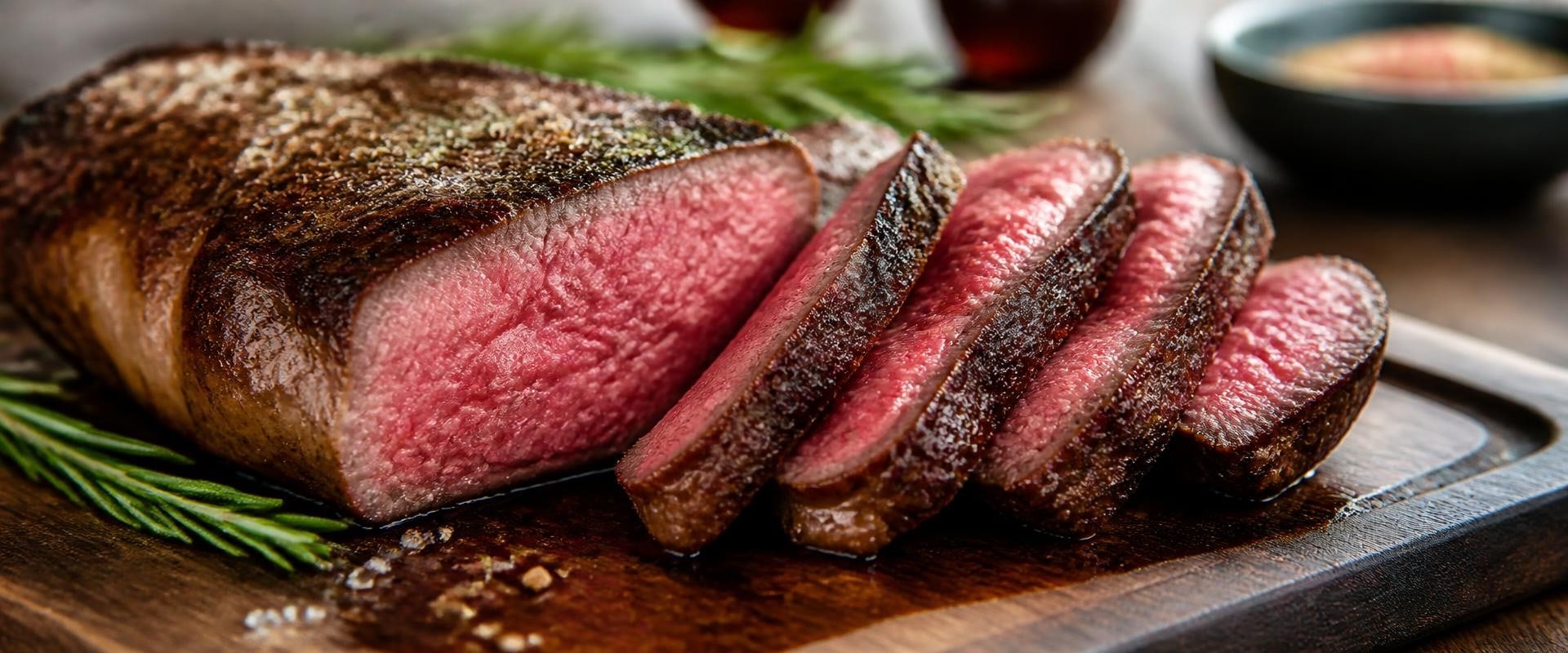
The Prime Cut Report is your go-to resource for understanding the intricacies of steak cuts and the factors that influence their quality. One of the most critical aspects that steak lovers often overlook is the significance of meat color and texture. These two elements are not just aesthetic; they play a vital role in determining the overall quality and flavor profile of your favorite cuts. Whether you are a seasoned aficionado or a casual diner, grasping the nuances of meat color and texture can enhance your dining experience, allowing you to make informed choices when selecting your steak.
In this article, we will delve into how the appearance and feel of meat can influence your perception of its quality. From the rich, deep hues of well-marbled beef to the firm yet tender texture that signifies optimal aging, understanding these characteristics can help you appreciate the artistry behind each cut. As we explore these elements, we aim to equip you with the knowledge needed to navigate steak menus with confidence and discernment. Join us as we unpack the fascinating world of meat color and texture, shedding light on their importance in the context of USDA grading and other factors that influence how a steak is perceived and enjoyed.
With insights from The Prime Cut Report, you'll be well-prepared to elevate your steak experiences. When it comes to selecting the perfect steak, meat color and texture are critical factors that every steak lover should understand. These characteristics not only contribute to the visual appeal of the meat but also significantly impact its overall quality and flavor. The Prime Cut Report serves as an invaluable resource for navigating these elements in relation to USDA grading, helping consumers make informed decisions about their steak choices. The color of meat is influenced by several factors, including breed, diet, and age. Different breeds of cattle produce different shades of meat; for example, Angus beef is typically recognized for its deep red hue, while Hereford cattle may yield a lighter color.
The animal's diet also plays a pivotal role in determining meat color. Grass-fed beef generally has a darker color due to higher levels of beta-carotene and other nutrients present in the grass, whereas grain-fed beef tends to be lighter and more marbled. Additionally, the age of the animal at the time of slaughter contributes to color variations; older animals often produce darker meat due to increased myoglobin levels. Another vital aspect of meat texture is marbling, which refers to the small flecks of fat interspersed within the muscle. Marbling is a key indicator of a steak's tenderness and flavor profile.
Higher marbling scores typically correlate with richer flavors and more succulent textures, making cuts like Ribeye highly sought after among enthusiasts. The presence of intramuscular fat not only enhances flavor but also helps retain moisture during cooking, resulting in a juicier steak. Understanding the USDA grading system is essential for steak lovers seeking quality cuts. The USDA categorizes beef into three primary grades: Prime, Choice, and Select. Prime cuts are derived from younger cattle with abundant marbling and are often found in high-end restaurants.
Choice cuts, while still flavorful and tender, contain less marbling than Prime cuts but are widely available and still represent great value. Select cuts have the least marbling, which can lead to a less juicy texture, making them suitable for those who prefer leaner options. The process of dry aging further enhances a steak's flavor and tenderness through moisture evaporation and enzymatic breakdown of muscle fibers. During dry aging, the meat is stored in a controlled environment where air circulation allows moisture to escape. This results in a concentrated flavor profile as well as improved tenderness due to the natural enzymatic actions that break down tough muscle fibers over time. Choice cuts, while still flavorful and tender, contain less marbling than Prime cuts but are widely available and still represent great value. Select cuts have the least marbling, which can lead to a less juicy texture, making them suitable for those who prefer leaner options. The process of dry aging further enhances a steak's flavor and tenderness through moisture evaporation and enzymatic breakdown of muscle fibers. During dry aging, the meat is stored in a controlled environment where air circulation allows moisture to escape. This results in a concentrated flavor profile as well as improved tenderness due to the natural enzymatic actions that break down tough muscle fibers over time.
Scientific studies have shown that dry-aged beef develops a nutty, complex flavor that is often highly prized by chefs and connoisseurs alike. When it comes to navigating steakhouse menus, it's important to familiarize yourself with different cut types and cooking methods. Popular cuts like the Ribeye, Filet Mignon, and New York Strip each have unique characteristics that dictate their color and texture. For instance, Ribeye steaks are known for their rich marbling and robust flavor, while Filet Mignon is celebrated for its tenderness due to minimal connective tissue. New York Strip offers a balance of flavor and texture, making it a versatile choice for various cooking techniques. In summary, understanding meat color, texture, and the USDA grading system can significantly enhance your steak selection experience.
By utilizing resources such as The Prime Cut Report, steak enthusiasts can confidently navigate menus and make choices that align with their taste preferences and culinary desires.
The Art of Dry Aging: Enhancing Flavor and Tenderness
The process of dry aging is a time-honored technique that significantly enhances the flavor and texture of beef. By allowing the meat to rest in a controlled, chilled environment, moisture evaporates from the surface, leading to a concentration of flavors. This method is essential for steak lovers who appreciate the nuances that come with well-aged meat.The Prime Cut Report
serves as an excellent resource for understanding how dry aging impacts meat quality in relation to USDA grading. During the dry aging process, enzymes naturally present in the meat break down muscle fibers, resulting in a tenderer texture over time.As the beef ages, its flavor becomes more robust and complex. The outer layer of the meat forms a protective crust that can be trimmed away before cooking, revealing a beautifully aged cut that offers both improved taste and tenderness. In addition to enhancing flavor and tenderness, dry aging can also influence the overall eating experience. The unique characteristics developed during this process can vary based on factors such as the aging time and the specific cut of meat. Understanding these elements is crucial for making informed choices when selecting steak, and The Prime Cut Report provides valuable insights into how to navigate these options effectively.
The Science Behind Meat Color
Understanding the science behind meat color is essential for steak lovers aiming to select the best cuts.The Prime Cut Report provides valuable insights into how various factors influence the appearance of meat, particularly in relation to USDA grading. One of the primary biological components affecting meat color is myoglobin, a protein found in muscle tissues that binds oxygen and carries it to the cells. The levels of myoglobin vary significantly across different types of beef and even among various cuts from the same animal. Myoglobin content is higher in muscles that are used more frequently, such as those found in the legs and shoulders, which is why these cuts tend to be darker. Conversely, less active muscles, like those from the loin area, have lower myoglobin levels and appear lighter in color.
This variation not only influences the aesthetic appeal of the steak but also plays a role in its flavor profile and tenderness. Additionally, the oxidation state of myoglobin can further affect meat color. Fresh meat typically appears bright red due to oxymyoglobin, which forms when myoglobin binds with oxygen. However, as meat ages or is exposed to air for an extended period, it can turn brown due to metmyoglobin formation. Understanding these biological aspects can help consumers make informed decisions about their meat selections. Ultimately, recognizing how myoglobin levels and oxidation impact meat color enhances the steak selection process and enriches the dining experience.
For more detailed information on how these elements tie into USDA grading, The Prime Cut Report serves as an indispensable resource.
Understanding Marbling and Texture
Marbling, the intramuscular fat found within cuts of beef, plays a pivotal role in the overall flavor and texture of steak. It is not merely a visual element; rather, it significantly contributes to the eating experience. As the meat cooks, the fat within the marbling melts, enhancing the tenderness and juiciness of the steak. This process is crucial for developing rich flavors that are often sought after by steak lovers. When selecting a steak, visual indicators of marbling can be observed.Cuts with abundant marbling typically exhibit a fine network of white streaks or flecks dispersed throughout the muscle. For instance, a well-marbled ribeye or New York strip will have more visible fat compared to leaner cuts like filet mignon or sirloin. The Prime Cut Report provides valuable insights into identifying these marbling patterns, helping consumers make informed decisions based on USDA grading. In essence, the amount and distribution of marbling can greatly influence a steak's quality. Higher grades such as USDA Prime are characterized by superior marbling, leading to a more flavorful and tender product.
Understanding these aspects allows steak enthusiasts to appreciate the nuanced differences among various cuts and ensures a satisfying dining experience. For those navigating menus, The Prime Cut Report serves as an excellent resource for understanding how marbling correlates with USDA grading and what to look for when choosing the perfect steak.
Decoding USDA Grading: What Does It Mean?
The USDA grading system serves as a vital tool for steak lovers to understand the quality of meat they are selecting. The Prime Cut Report provides valuable insights into this grading system, breaking down the distinctions between various grades of beef. The USDA primarily classifies beef into three main categories: Prime, Choice, and Select. Each grade reflects differences in marbling, maturity, and overall quality, which directly influence the flavor and tenderness of the steak.Prime
grade beef is the highest quality available, characterized by abundant marbling and superior tenderness.Typically sourced from younger cattle, this grade is often found in upscale restaurants and steakhouses due to its rich flavor profile and juiciness.
Choice
grade, while still high quality, has less marbling than Prime but offers a good balance of tenderness and flavor. It is widely available in grocery stores and is a popular choice for home cooking. Finally, Select grade beef is leaner than the other two grades, with less marbling, making it less flavorful and tender.Although it can be a more economical option, it may not deliver the same rich steak experience that Prime or Choice cuts provide. Visual aids can be incredibly helpful in distinguishing these grades. For example, images showing cross-sections of each cut can highlight the differences in marbling and color associated with each grade. Additionally, charts comparing the texture and flavor profiles can further enhance understanding. The Prime Cut Report aims to clarify these elements, enabling diners to make informed choices based on their preferences and budget. Understanding USDA grading is essential for anyone looking to appreciate the nuances of steak selection.
By recognizing the differences between Prime, Choice, and Select cuts, consumers can better navigate menus and choose steaks that align with their culinary desires.
Navigating Steakhouse Menus Like a Pro
When it comes to enjoying a great steak, understanding how to navigate steakhouse menus is essential for making informed choices.The Prime Cut Report
serves as an invaluable resource for steak lovers, helping them decode the intricacies of meat color and texture in relation to USDA grading. Familiarizing yourself with common menu terminology can significantly enhance your dining experience. First, pay attention to the descriptions of the cuts. Terms like 'marbling' refer to the white streaks of fat within the muscle, which can affect flavor and tenderness.A steak described as 'well-marbled' typically promises a richer taste and juiciness. Similarly, look for phrases such as 'aged' or 'dry-aged,' which indicate that the meat has been allowed to rest in controlled conditions to intensify its flavor and tenderness. Another important aspect is understanding the color of the meat presented on the menu. A vibrant red hue often signifies freshness, while darker colors might indicate longer aging, which can contribute to depth of flavor. However, it’s crucial to note that color alone does not determine quality; texture plays a significant role as well. When you’re unsure about a specific cut or term, don’t hesitate to ask your server questions.
Queries like 'What cut do you recommend for tenderness?' or 'Can you explain how this steak is prepared?' can provide valuable insights. Knowledgeable staff will appreciate your interest and can help guide you towards a selection that aligns with your preferences. Ultimately, being well-informed allows you to make confident choices and enhances your overall steak dining experience. For those looking to deepen their understanding of meat characteristics and USDA grading, resources like The Prime Cut Report can serve as an excellent guide. In conclusion, understanding meat color and texture is essential for steak lovers who seek to enhance their dining experience. Throughout this article, we have explored the science behind meat color and how it correlates with quality, as well as the significance of marbling and texture in determining flavor and tenderness.
We also delved into the intricacies of the USDA grading system, which helps diners make informed choices when selecting cuts of meat. Additionally, we examined the art of dry aging, a process that elevates both flavor and tenderness, and provided tips for navigating steakhouse menus like a seasoned pro. By grasping these key elements, you empower yourself to choose steaks that not only meet your preferences but also offer the best culinary experience. For those looking to delve deeper into the nuances of steak selection and preparation, we encourage you to refer to The Prime Cut Report, which serves as an invaluable resource for understanding meat quality in relation to USDA grading and menu navigation.
Previous report
Elevate Your Everyday Meals with the Perfect Steak Choice
Continue consulting the guide
More articles

Mastering the Art of Testing Steak Doneness with a Fork
Discover practical tips for testing steak doneness with a fork, explore various steak cuts, understand USDA grading systems, and learn about dry aging processes.

Understanding the Characteristics of Medium-Rare Steak
Dive into the characteristics of medium-rare steak, learn about steak cuts, USDA grading systems, dry aging, and tips for navigating steakhouse menus.

Elevating Your Steak Experience: Wine Pairings for Every Cut
Discover the best wine pairings for various steak cuts while learning about USDA Prime grading and dry aging processes to enhance your dining experience.

Understanding Marbling in Beef: Elevate Your Steak Experience
Learn how marbling affects beef quality, USDA grading, and steak selection to enhance your dining experience.