When it comes to celebrating special moments, elevating your dining experience with the right choice of meat can make all the difference. At The Prime Cut Report, we understand that selecting the perfect prime cut is essential for creating memorable meals, whether it’s a family gathering, an anniversary dinner, or a festive holiday feast. The quality of the meat you serve not only enhances the flavors of your dishes but also sets the tone for the entire occasion. In this article, we will guide you through the intricacies of choosing prime cuts that are ideal for those significant moments in life. With insights into USDA grading, dry aging, and expert tips on how to read a steakhouse menu, we aim to empower you with the knowledge needed to select cuts that will impress your guests and satisfy your culinary cravings.
Join us as we delve into the world of prime cuts and discover how to make your next special occasion truly unforgettable. When it comes to creating memorable dining experiences for special occasions, understanding the nuances of prime cuts is essential. The Prime Cut Report serves as a valuable resource that explains USDA grading, steak cuts, and the dry aging process, empowering diners to make informed choices. Whether you are celebrating a milestone or hosting a dinner party, selecting the right cut of meat can elevate your meal from good to extraordinary. There are various is essential. The Prime Cut Report serves as a valuable resource that explains USDA grading, steak cuts, and the dry aging process, empowering diners to make informed choices. Whether you are celebrating a milestone or hosting a dinner party, selecting the right cut of meat can elevate your meal from good to extraordinary. There are various steak cuts available, each offering unique flavors and textures. For instance, the tenderloin is renowned for its buttery softness and mild flavor, making it a popular choice for those who prefer a lean cut.
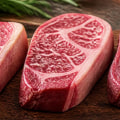
On the other hand, the ribeye is celebrated for its rich marbling and robust flavor, perfect for those who appreciate a juicier steak. Other notable cuts include the New York strip, known for its balance between tenderness and flavor, and the T-bone, which combines both the tenderloin and strip in one cut. Each of these cuts can provide a distinctive experience that caters to different palates. The USDA grading system plays a crucial role in understanding what makes USDA Prime cuts stand out from other grades. USDA Prime is awarded to beef that has an abundant amount of marbling and is derived from young cattle.
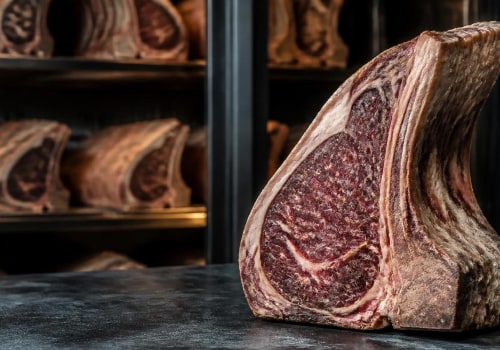
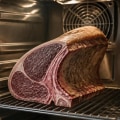
This marbling not only contributes to the tenderness of the meat but also enhances its flavor profile when cooked. In contrast, cuts graded as Choice or Select have less marbling and may not deliver the same rich taste or texture that Prime offers. By choosing USDA Prime cuts, you are ensuring a superior dining experience that reflects quality. The dry aging process further enhances the flavor of prime cuts. During dry aging, beef is stored in a controlled environment where it loses moisture and concentrates its flavors over time.
This process can take anywhere from a few weeks to several months and results in a more intense beef flavor along with improved tenderness. The outer layer develops a crust that protects the inner meat, which is trimmed away before cooking. The benefits of dry aging cannot be overstated; it transforms an already high-quality cut into something truly special. Navigating steakhouse menus can sometimes be daunting, especially with the plethora of terms used by servers. Understanding these terms can help you make informed choices based on your personal preferences and the occasion.
For example, ask about the preparation methods—whether a steak is grilled, broiled, or smoked—as these can significantly influence its flavor and texture. Additionally, consider requesting recommendations based on your desired doneness; some cuts shine at specific cooking temperatures. A medium-rare ribeye will melt in your mouth due to its marbling, while a well-done filet mignon might lose some of its tenderness. When selecting prime cuts for special occasions, it’s important to consider factors like the occasion itself, guest preferences, and your budget. For a romantic dinner for two, a pair of filet mignons may create an intimate atmosphere, whereas hosting a gathering for family might call for a larger cut like a porterhouse or prime rib that everyone can share.
Don't hesitate to consult with your server about portion sizes and suggested pairings—these insights can enhance your overall dining experience. It's essential to recognize that tastes and preferences can vary widely among diners. Some may prefer leaner cuts while others enjoy rich marbled steaks; both perspectives are valid. Emphasizing quality over quantity is key when selecting prime cuts. The Prime Cut Report encourages readers to explore various options and remain open to differing opinions regarding steak choices. In summary, understanding various steak cuts, the USDA grading system, and the benefits of dry aging allows you to elevate your dining experience significantly.
Whether it's through selecting high-quality USDA Prime cuts or navigating menus with confidence, you can ensure that your special occasions are marked by exceptional meals that leave lasting memories.
The Art of Dry Aging
When it comes to enhancing the flavor and texture of your steak, dry aging is an art form that stands out. This process involves hanging beef in a controlled, chilled environment for an extended period, allowing natural enzymes to break down muscle fibers while moisture evaporates. The result? A more concentrated flavor and a tender, buttery texture that elevates any dining experience. For those looking to understand the intricacies of this process, The Prime Cut Report serves as an invaluable resource, demystifying the complexities of steak cuts and aging methods. In contrast to wet aging, which involves vacuum-sealing beef in plastic to retain moisture during the aging process, dry aging allows for a unique interaction with air.This exposure develops a rich, nutty flavor profile that cannot be achieved through wet aging. Additionally, the exterior of the meat forms a protective crust that is trimmed away before cooking, ensuring that only the best part of the steak is served. By understanding these differences and benefits, you can make informed choices when selecting prime cuts for your special occasions. Dry aging not only enhances the taste but also contributes to a more enjoyable mouthfeel, making it a preferred choice among steak aficionados. The Prime Cut Report provides comprehensive insights into how dry aging works and why it’s worth considering for your next culinary endeavor.
The USDA Grading System Explained
The USDA grading system is essential for understanding the quality of beef, particularly when selecting prime cuts for special occasions.The Prime Cut Report serves as a valuable resource for diners looking to navigate this system. The USDA grades beef based on several factors, including marbling, color, and maturity, which ultimately influence the tenderness, juiciness, and flavor of the meat. To be classified as USDA Prime, a cut must exhibit abundant marbling and be derived from young, well-fed cattle. This grade represents the highest quality beef available in the market, accounting for only about 2-3% of all beef produced in the United States. The rich marbling in USDA Prime cuts contributes to a superior eating experience, making them ideal for special occasions. In comparison, USDA Choice cuts also offer good quality but have less marbling than Prime.
These cuts are still flavorful and tender but may not provide the same level of richness that Prime cuts do.
USDA Select
is another grade that falls below Choice, with even less marbling and slightly less tenderness. While Select cuts can be a more economical option, they may not deliver the same memorable dining experience that comes with choosing a Prime cut. Understanding these grading distinctions allows diners to make informed choices when selecting their steak, ensuring that their special occasions are truly elevated. For more detailed information about steak cuts and grading systems, The Prime Cut Report is an excellent resource to consult.Understanding Steak Cuts
When it comes to selecting the perfect steak for your special occasion, understanding the different types of steak cuts is essential.The Prime Cut Report serves as an invaluable resource for those looking to navigate the world of steak, providing insights into various cuts and their unique characteristics. One of the most popular cuts is the ribeye, known for its rich marbling and tenderness. This cut is taken from the rib section and offers a flavorful experience, making it ideal for grilling or pan-searing. The high-fat content ensures that it remains juicy and delicious, particularly when cooked to medium-rare. Another favorite is the filet mignon, regarded as one of the most tender cuts available. Sourced from the tenderloin, this steak is leaner than others but still boasts a buttery texture.
It’s best prepared by grilling or roasting at high temperatures to preserve its delicate flavor and tenderness. The T-bone steak combines two cuts in one – the tenderloin on one side and the strip steak on the other. This cut offers a delightful contrast in textures and flavors, making it a great choice for sharing at special gatherings. Cooking methods such as grilling or broiling work wonderfully for T-bones, allowing both sides to be cooked to perfection. Lastly, we have the sirloin steak, which is more affordable yet still packed with flavor. It comes from the back of the animal and is known for its robust taste.
Sirloin can be grilled, broiled, or pan-seared, making it versatile for various cooking styles. By understanding these steak cuts and their respective cooking methods, you can elevate your dining experience, ensuring that your meal is not only delicious but also memorable. For further insights into steak selections and grades, refer back to The Prime Cut Report, your guide to mastering the art of steak dining.
Mastering the Steakhouse Menu
Navigating a steakhouse menu can be an overwhelming experience, especially with the array of options available for prime cuts. To make the most of your dining experience, it’s essential to understand not just the menu items but also the terminology that accompanies them.The Prime Cut Report
serves as an invaluable resource to help diners decode these descriptions and make informed decisions. First and foremost, familiarize yourself with the different grades of beef, especially USDA Prime.When you see terms like ‘grass-fed,’ ‘grain-finished,’ or ‘dry-aged,’ take a moment to ask your server about these processes. Understanding the nuances of each term can significantly enhance your appreciation for the meal you are about to enjoy. When perusing the menu, look for detailed descriptions that provide insights into flavor profiles and cooking methods. For example, a steak described as ‘marbled’ indicates intramuscular fat that contributes to tenderness and flavor. Don’t hesitate to ask your server how the steaks are prepared and which cuts they would recommend based on your preferences. Another useful tip is to inquire about portion sizes.
Some steakhouses offer larger cuts that may not be suitable for all appetites, while others may have a selection of smaller portions perfect for sharing or for those who prefer lighter meals. Understanding portion sizes can help you make choices that align with your dining experience. Lastly, consider discussing wine pairings with your server. A well-selected wine can elevate your dining experience and complement the flavors of your chosen cut. By asking the right questions and engaging with your server, you’ll ensure that your meal is not only delicious but memorable. In summary, mastering the steakhouse menu involves understanding beef grading, asking insightful questions, and engaging with your server to enhance your dining experience.
For more detailed information about steak cuts and grading systems, be sure to visit The Prime Cut Report.In conclusion, understanding steak cuts and the USDA grading system is essential for elevating your dining experience, especially for special occasions. The insights provided in this article emphasize that being informed about the nuances of steak selection can significantly enhance your meal. From mastering the art of dry aging to navigating a steakhouse menu, knowledge empowers you to make choices that will impress your guests and create lasting memories. We encourage you to utilize The Prime Cut Report as a valuable resource for future dining experiences. This guide will help you navigate the world of prime cuts and ensure that you always make informed decisions when selecting the perfect steak for any occasion.